


Professional tools by Mateen
The right tool for the job.
From the first measurement to the final fixing. Start with your task, find the right tool group and plan the accessories that go with it.
01 / By task
What are you working on?
Choose a task, then your material. Explore relevant tools and check the matching accessories before ordering.
Start with the hole you need.
Note the hole diameter, depth, material and frequency of use. Then check the drill mode, capacity and chuck against the bit you plan to use.
For wood, choose a bit designed for wood and check its shank fits the chuck. Match the drill capacity to the hole diameter.
For metal, check the bit material, supported diameter and the drill’s speed range. A drill and a bit must both suit the task.
For brick or concrete, first confirm whether the tool supports the required hammer or rotary-hammer mode. Match masonry bits to the chuck or SDS system.
For cable routes, identify the wall or support material first. Check the hole size needed for the conduit or cable route.
Send us the material, hole size and a photo of the job. We can help you identify what to compare.
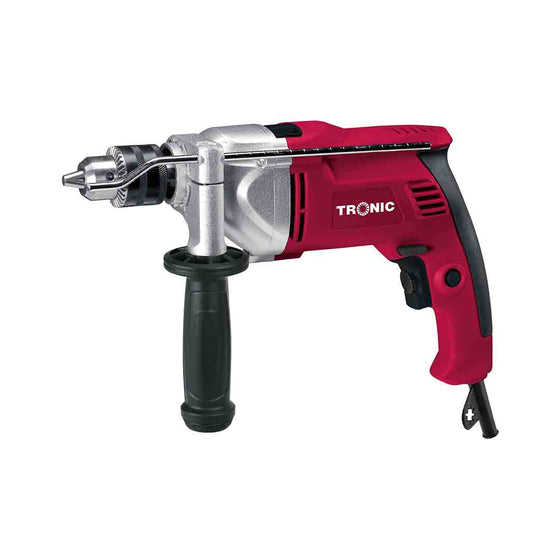
The accessory matters as much as the tool.
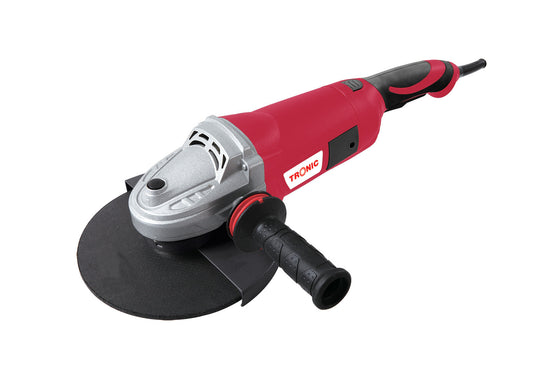
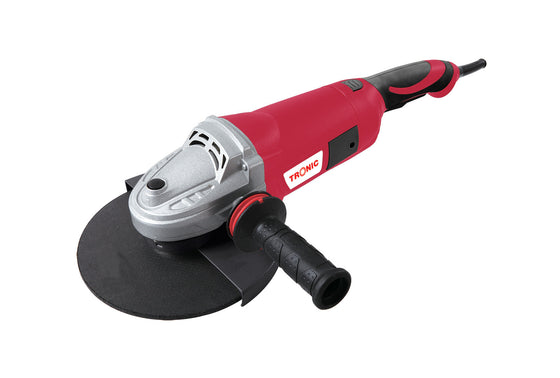
Choose the operation first: cutting, grinding or finishing. Check tool size, accessory diameter, bore, speed rating and intended material together.
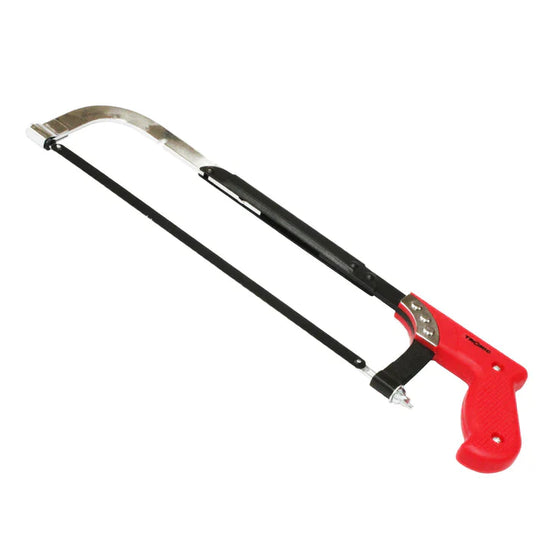
Explore saws for wood cutting and match the blade to the saw and material. Do not assume an angle grinder is suitable for wood-cutting blades.
Use a disc specifically marked for the metal and operation. Cutting discs and grinding discs serve different jobs.
Check that both the tool and disc support the intended masonry task. Plan dust control and the required protection.
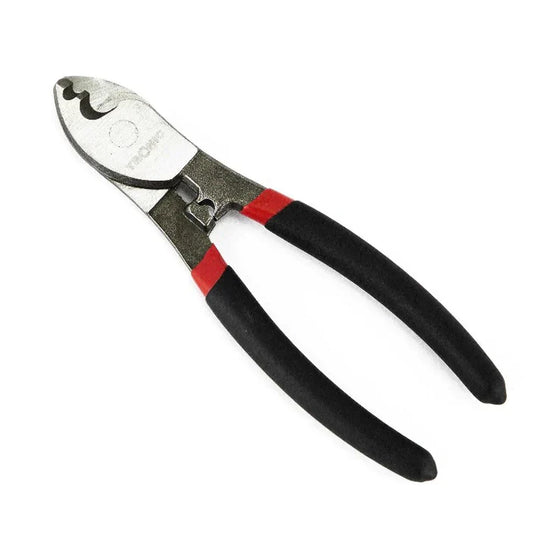
Explore cable cutters sized for the conductor material and cable diameter. Do not select a grinder as a substitute based on power alone.
Tell us what you need to cut or finish, its thickness and the tool you already have.
Know what you need to measure.
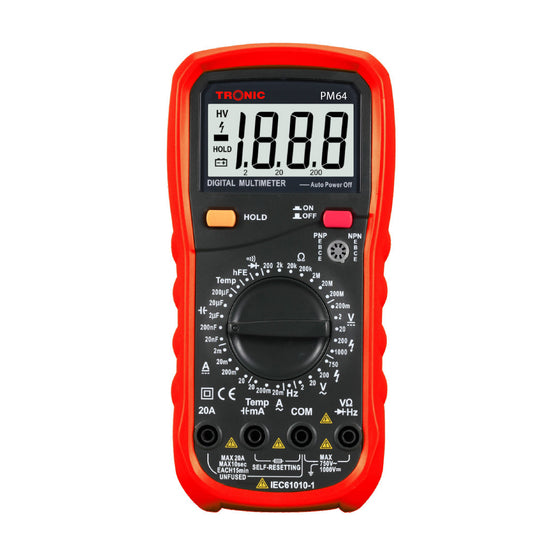
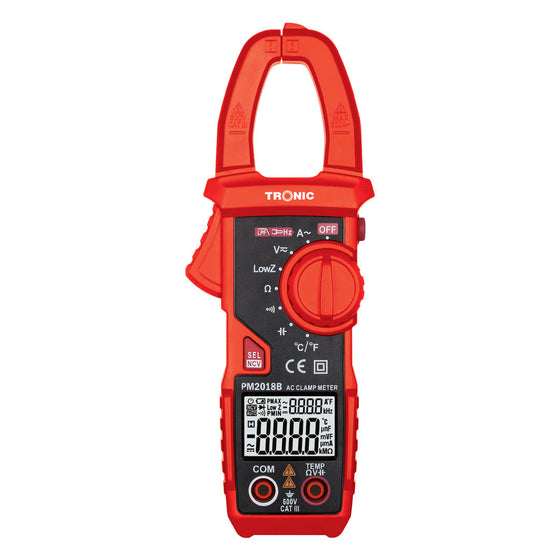
For dimensions, compare the measuring range. For electrical readings, identify the measurement, voltage range, meter category and probes required.
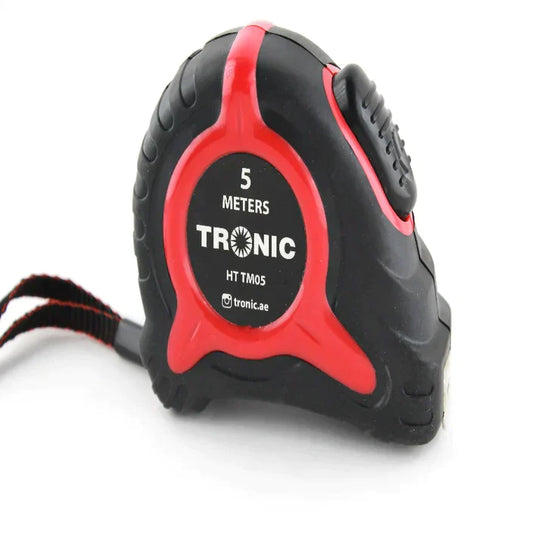
For timber layout, compare tape measures and marking tools for the dimensions you need.
For fabrication, distinguish dimensional measurement from electrical testing before choosing a tool.
For walls and room layout, compare measuring tools against your required distance and accuracy.
An electrical meter must suit the measurement and installation category. Share the application so the correct specification can be confirmed.
Tell us whether you are measuring a distance or testing an electrical quantity.
Pull. Prepare. Connect.
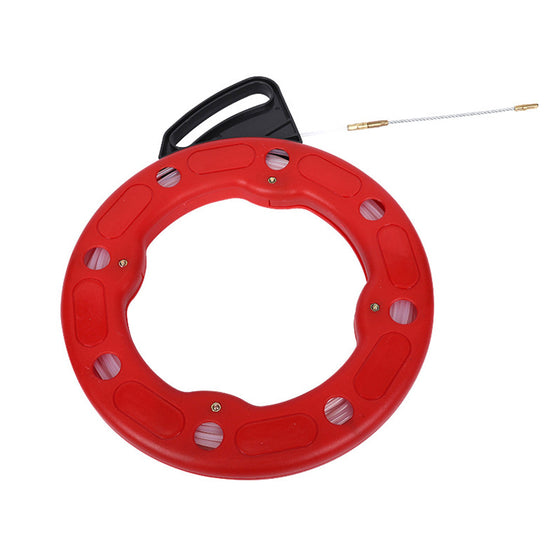
Plan the work in stages: route the cable, cut and prepare it, then terminate it with matching connectors and tooling.
If your route passes through timber, plan the opening and cable protection before pulling.
For metal enclosures, check cable-entry preparation, edge protection and suitable glands.
For conduit in masonry, check the route, bends and draw-wire length before pulling.
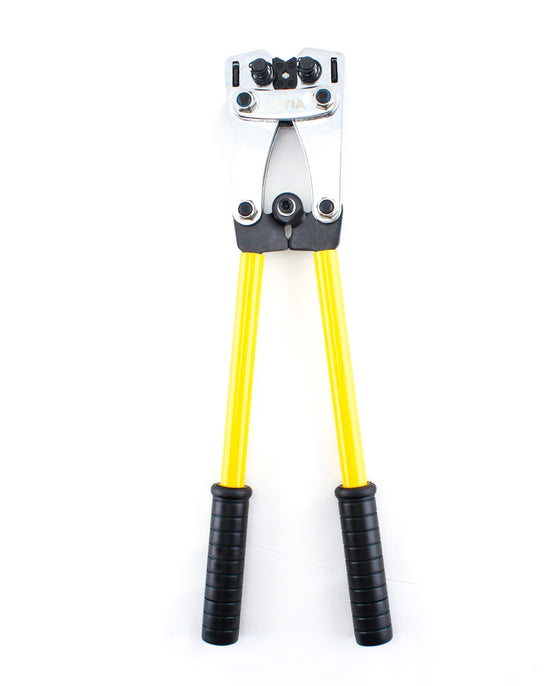
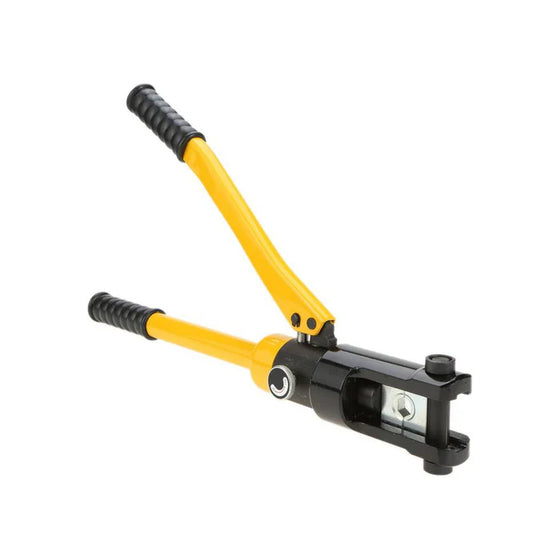
Match cutters to cable size and conductor material. Match crimp dies to the terminal type and conductor cross-section.
Send the cable size, route length and terminal type, or a photo if you do not know.
02 / By type
Browse all tools
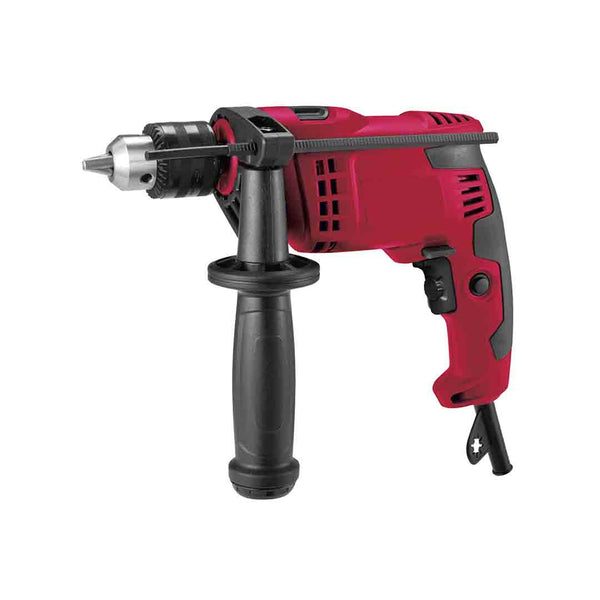
Drills
Drills for installation and workshop tasks.
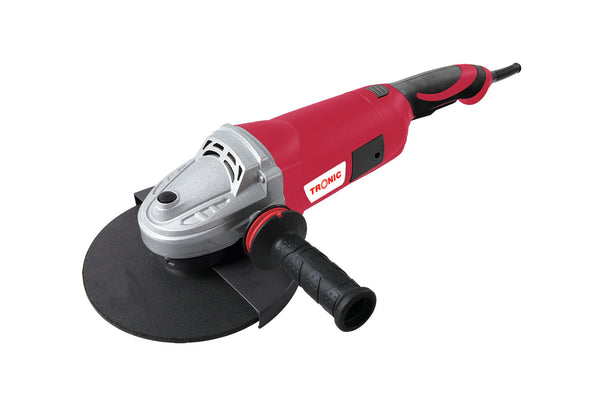
Saws, grinders & cutters
Grinders, saws, knives and cutting pliers.
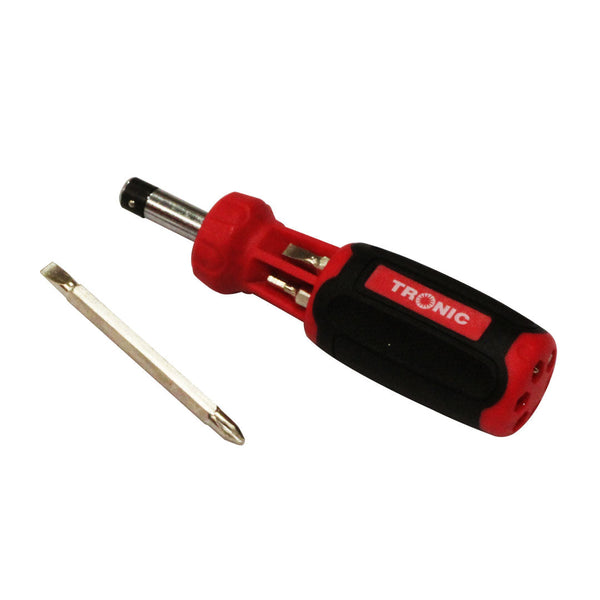
Hand tools & fixings
Drivers, spanners, pliers, hammers and fixings.
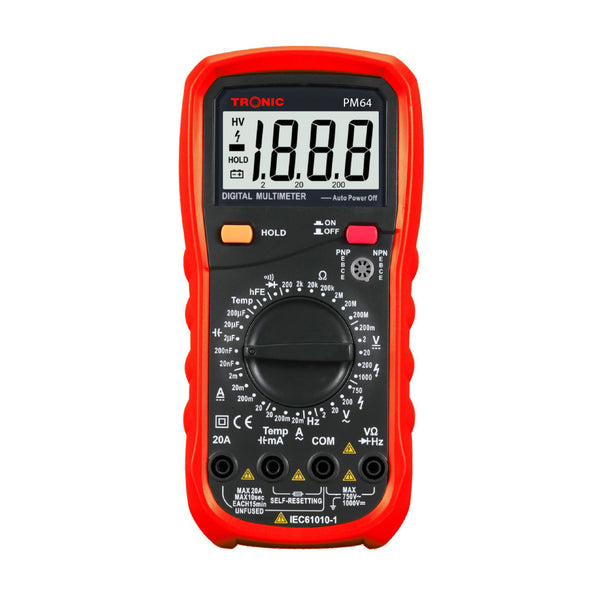
Measuring & testing
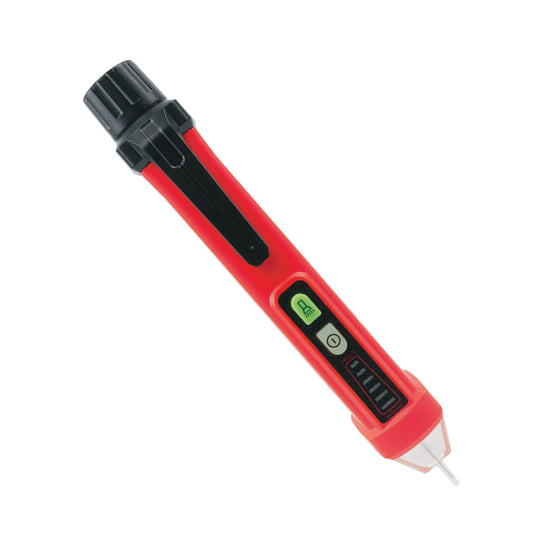
Tape measures, voltage testers and meters.
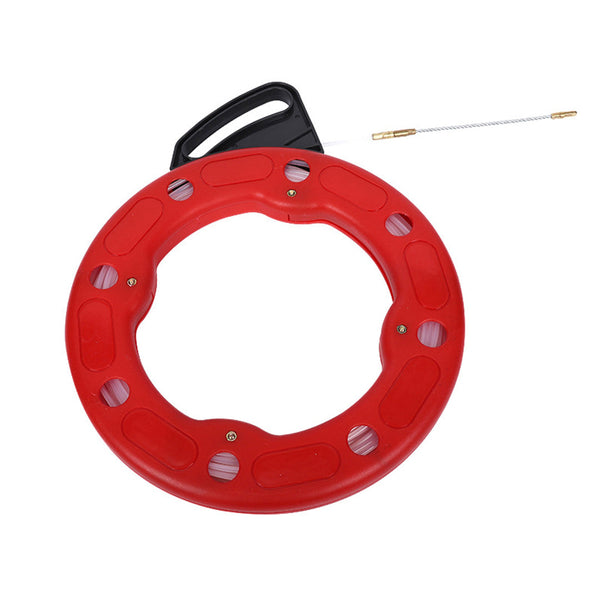
Cable tools & crimpers
Pulling wires, crimping tools and cable cutters.
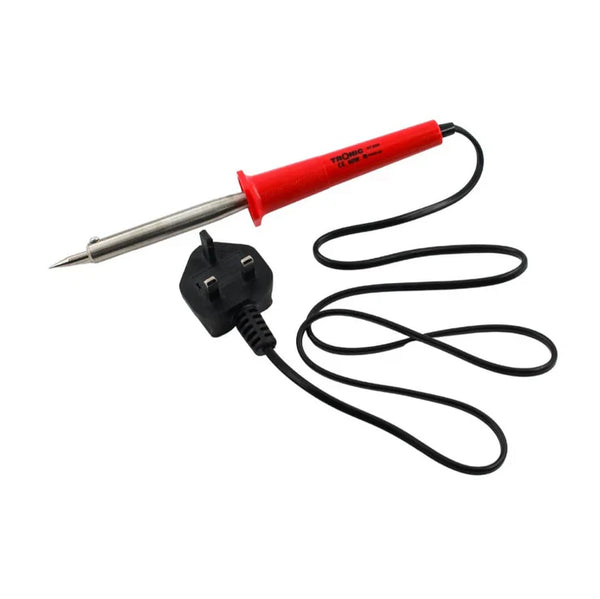
Heating, soldering & bonding
Heat guns, soldering, bonding and sealing supplies.
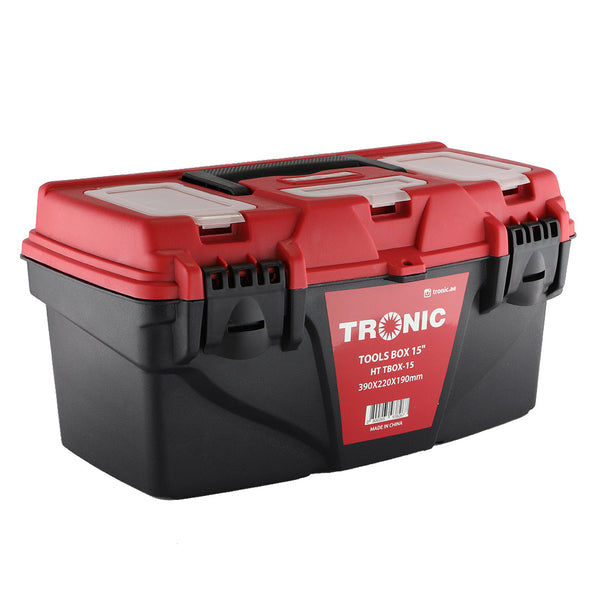
Storage, ladders & packing
Tool storage, ladders and packing supplies.
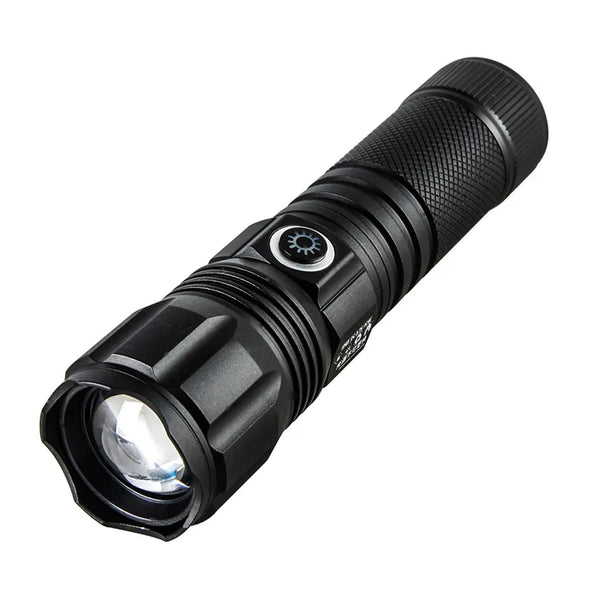
Torches
Portable lighting for work and everyday use.
Tool only, kit or accessory?
Read the product contents before ordering. A photograph may show optional accessories. Confirm whether the battery, charger, case, bit or blade is included; ask us when the listing does not make this clear.
Choose the task before the wattage
Compare the operation, working capacity and material first. A higher power rating alone does not establish that a tool can do your job.
Check accessory compatibility
Match the bit shank or blade fitting, size and intended material. For rotating accessories, check the rated speed against the tool. Use the tool manufacturer’s permitted accessory types.
Corded or cordless
Consider the available supply, work location and frequency of use. For cordless tools, confirm the exact battery platform and whether a compatible battery and charger are included.
Send a photo of what you have
For replacement bits, blades, consumables or components, share the tool model, existing accessory markings and the job. We can help check the match before you buy.
Tell us what you’re working on.
Share the task, material and tool model if you already have one. We’ll help you compare the tools and check compatible accessories.
Product advice · Quotations · Project support
Chat is taking a moment to load. Please try again, or contact us here.